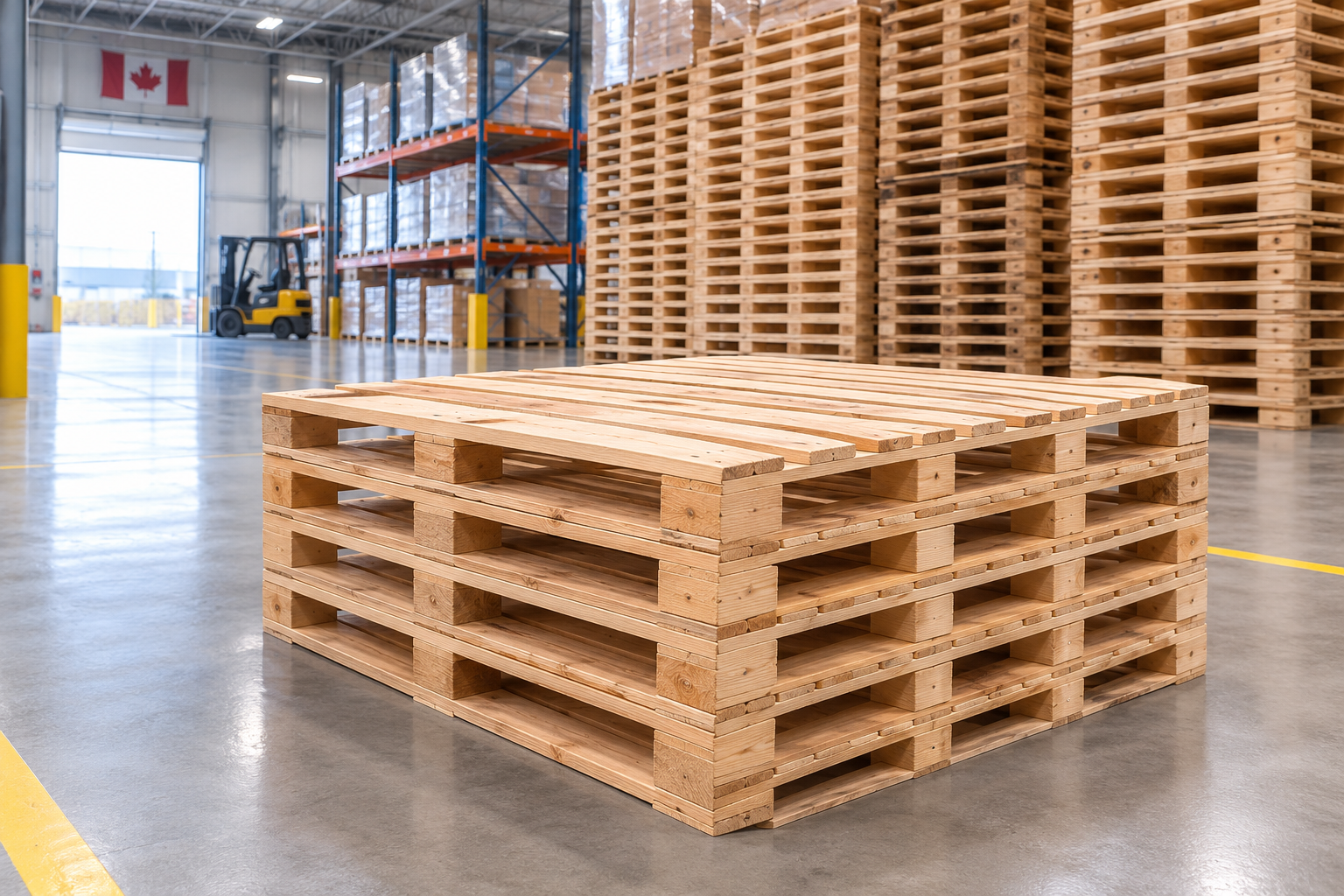
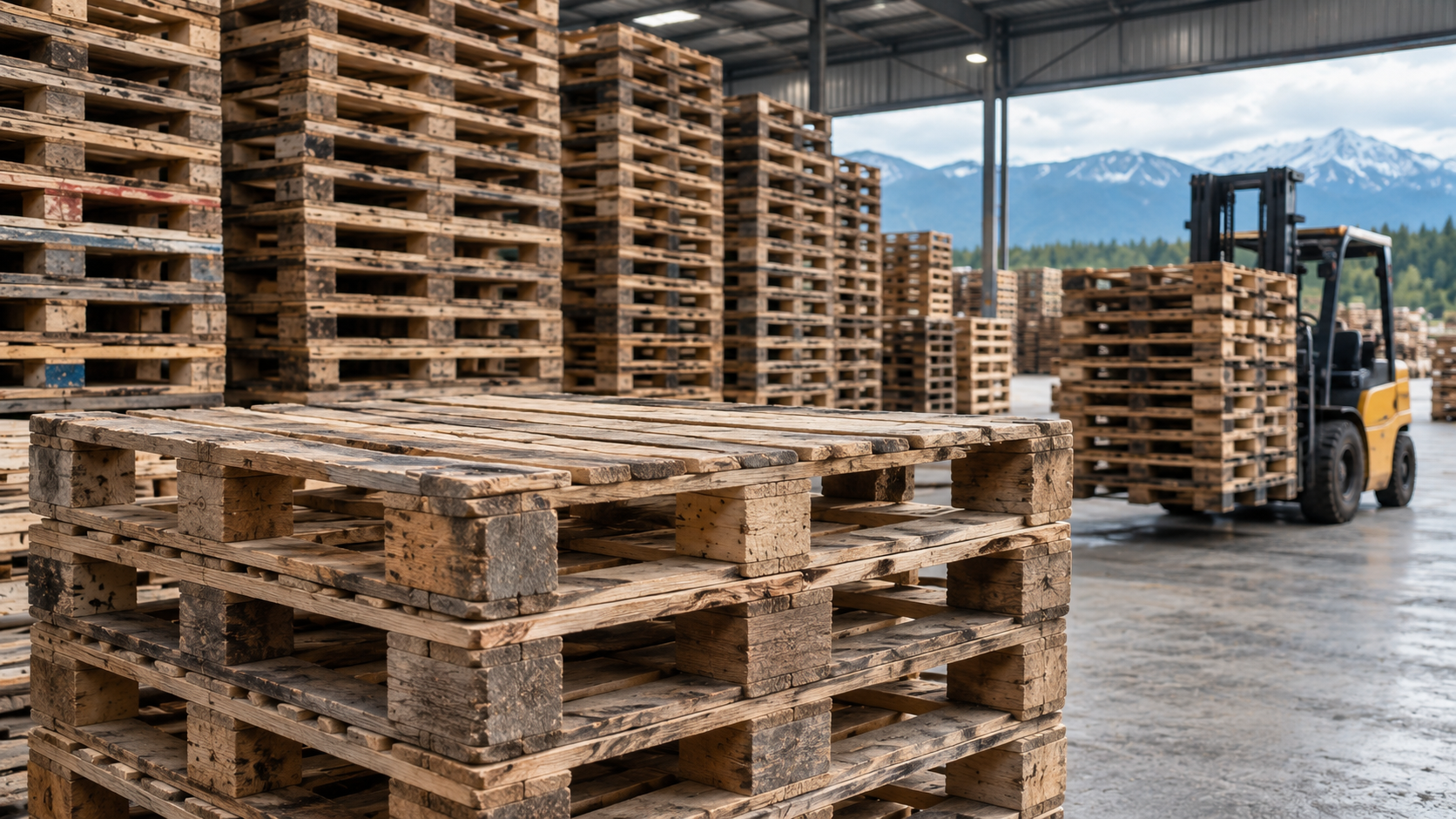
Recycled pallets are repaired, inspected wooden pallets designed to support shipping and warehouse operations while extending the useful life of existing materials. For many British Columbia businesses, they offer a practical balance between cost control, availability, and responsible resource use.
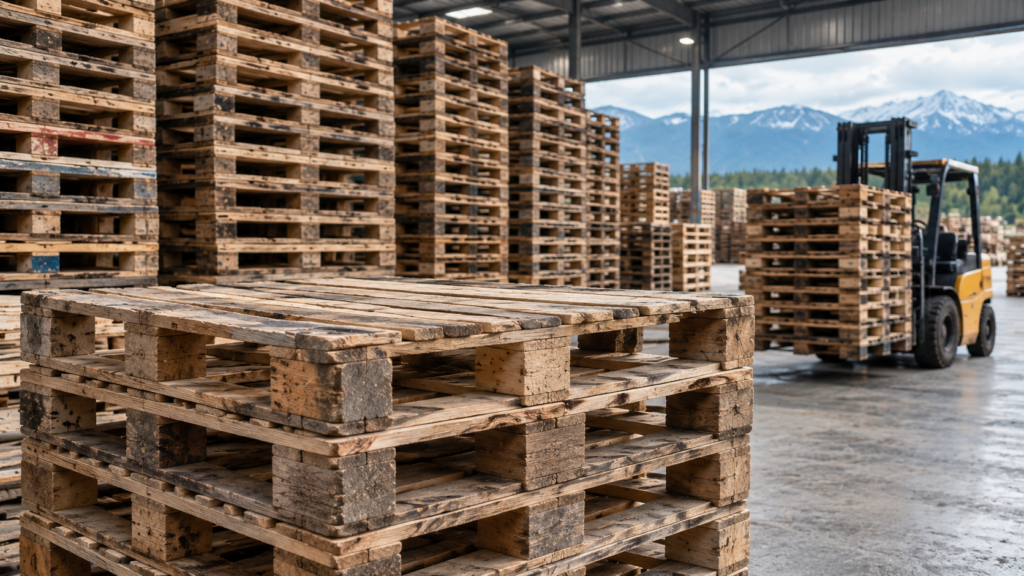
The right recycled pallet is not simply the cheapest option, it depends on load requirements, handling conditions, and how the pallet will be used throughout your supply chain.
Quick Specification Box
| Feature | Details |
|---|---|
| Common Material | Softwood or hardwood |
| Typical Uses | Warehousing, storage, domestic shipping |
| Available Grades | Grade A, Grade B, Utility (varies by supplier) |
| Export Use | May require heat-treated pallets for ISPM 15 compliance |
| Suitable For | Manufacturing, retail, logistics, agriculture |
Why Recycled Pallets Continue to Be a Practical Choice for Modern Supply Chains
Recycled pallets are previously used wooden pallets that have been carefully inspected, repaired where necessary, and returned to service after meeting quality requirements. Rather than discarding pallets that still have structural value, the pallet recycling process extends their working life, helping businesses reduce material waste while maintaining dependable performance for everyday shipping and storage.
Unlike damaged pallets that are simply reused, professionally refurbished recycled wooden pallets go through a structured inspection process. Broken deck boards, cracked stringers, loose fasteners, and other defects are repaired or replaced before the pallet is graded for its intended application. The result is a pallet that remains suitable for many commercial and industrial operations, provided it matches the required load and handling conditions.
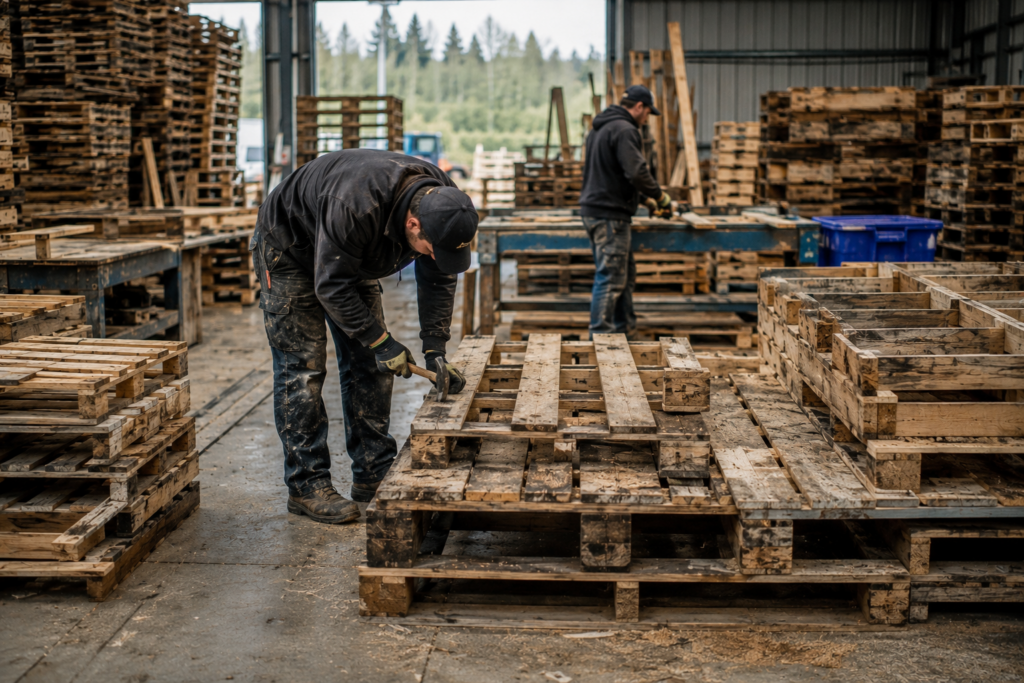
For many manufacturers, distributors, retailers, and warehouses across British Columbia, recycled pallets offer a practical balance between operational efficiency and responsible resource management. They are commonly used for domestic freight, warehouse storage, inventory movement, and supply chain operations where businesses need reliable performance without the added expense of purchasing new pallets for every shipment.
Warehouse Insight: A recycled pallet should never be evaluated by appearance alone. Its structural condition, repair quality, intended load, and compatibility with your warehouse equipment are far more important than cosmetic marks from previous use. A professionally repaired pallet can often perform just as reliably as expected for many day-to-day logistics applications when selected for the correct purpose.
From Used to Ready for Business: How the Pallet Recycling Process Works
Not every used pallet becomes a recycled pallet. Before it returns to a warehouse or shipping operation, it goes through a structured inspection and refurbishment process to ensure it is safe, functional, and suitable for commercial use. While the exact process may vary between suppliers, reputable pallet recyclers follow a consistent approach focused on structural integrity rather than appearance.
Initial Collection and Sorting
The process begins when used pallets are collected from warehouses, manufacturers, retailers, and distribution centres. Each pallet is visually inspected and sorted according to its overall condition.
Pallets with only minor wear are set aside for refurbishment, while those with severe structural damage, rot, contamination, or broken stringers beyond repair are removed from circulation. In many cases, usable timber from discarded pallets is recovered and repurposed during the repair process, helping reduce unnecessary waste.
Inspection and Structural Repairs
Every pallet selected for reuse is checked for issues that could affect its performance during storage or transport. Damaged deck boards, cracked stringers, loose nails, and weakened fastening points are repaired or replaced before the pallet moves to the next stage.
Rather than rebuilding every pallet to look new, the objective is to restore its structural reliability so it can safely perform the job it is intended for. This practical approach helps extend the service life of recycled wooden pallets while making better use of existing materials.
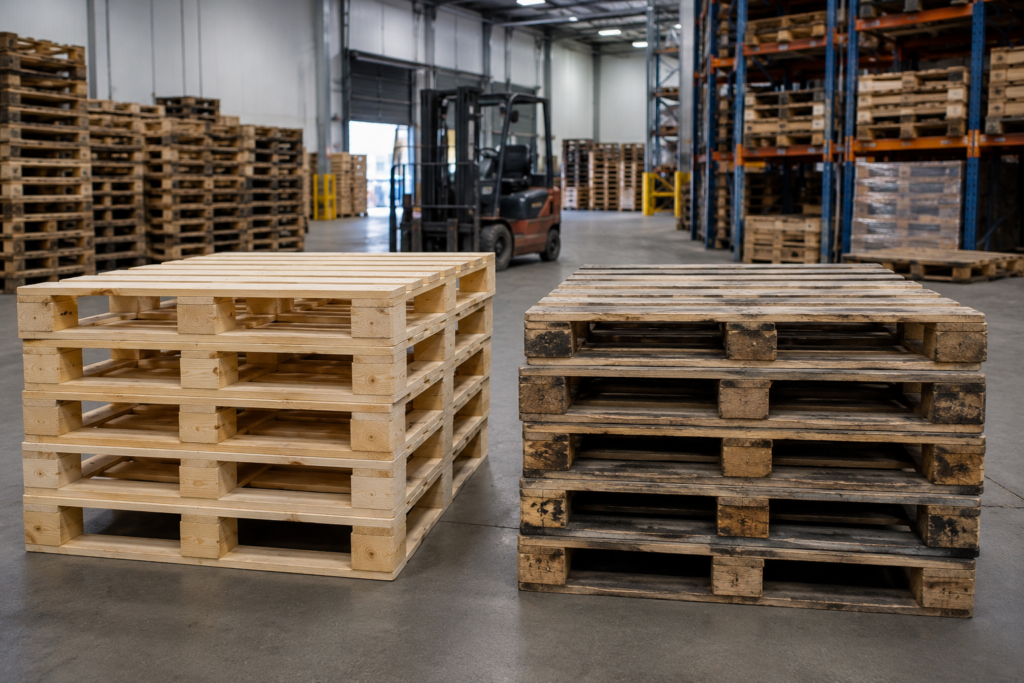
Warehouse Insight: Cosmetic wear rarely determines whether a pallet is fit for service. Small scuffs, colour variation, or previous handling marks are common on recycled pallets. What matters is whether the pallet has been properly repaired, remains structurally sound, and is suitable for its intended load and handling conditions.
Understanding Recycled Pallet Grades Before You Buy
Not all recycled pallets are repaired to the same condition, which is why understanding pallet grades is important before placing an order. The grading process helps businesses choose pallets that match their handling requirements, product weight, and operational environment instead of paying for specifications they don’t actually need.
It’s worth noting that pallet grading isn’t governed by a single universal standard. Different pallet suppliers may use slightly different grading criteria, but the overall purpose remains the same: identifying the pallet’s condition and recommending the applications it is best suited for.
Grade A Recycled Pallets
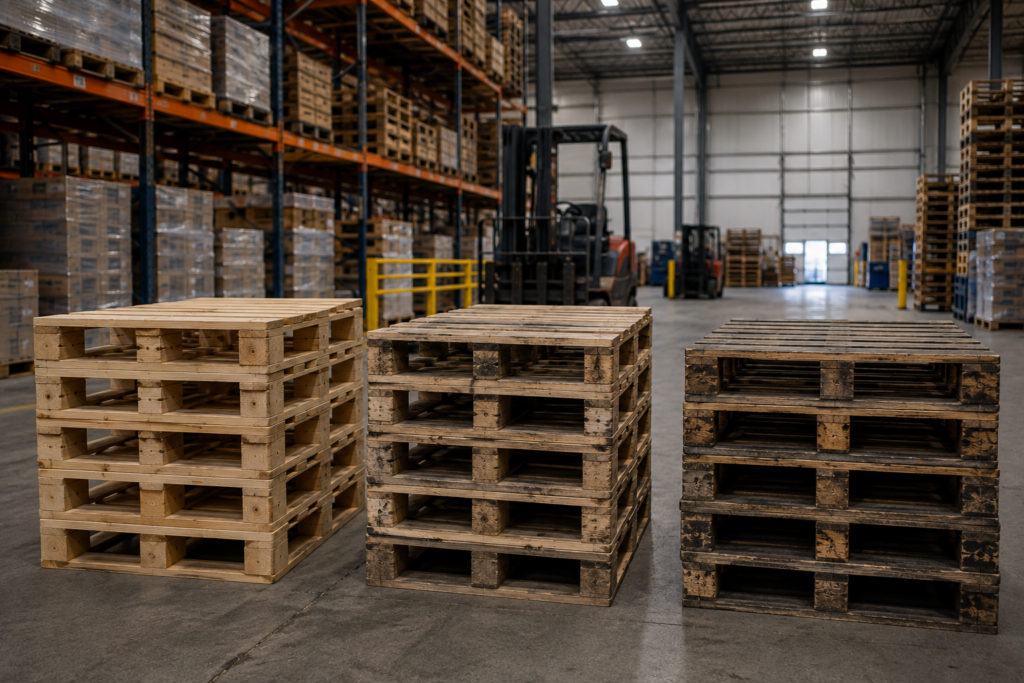
Grade A pallets are typically the highest-quality recycled wooden pallets available. They have undergone thorough inspection and any damaged components have been repaired or replaced to restore reliable structural performance. While they may still show minor signs of previous use, they generally have a cleaner appearance and more consistent dimensions than lower-grade options.
These pallets are commonly selected for businesses that require dependable handling, repeated shipping cycles, or greater consistency across warehouse operations.
Typical applications include:
- Distribution centres
- Manufacturing facilities
- Retail supply chains
- High-volume warehouse operations
- Businesses using pallet racking systems
Grade B Recycled Pallets
Grade B pallets are a practical choice for many everyday commercial applications. They remain structurally functional but may have more visible repairs or cosmetic wear than Grade A pallets.
For businesses focused on balancing performance with budget, Grade B pallets often provide excellent value without compromising day-to-day operational reliability.
They are commonly used for:
- Internal warehouse transport
- Domestic freight
- Inventory movement
- General storage applications
- Routine manufacturing operations
Utility or Lower-Grade Pallets
Some suppliers also offer utility-grade pallets for lighter-duty applications where appearance and repeated shipping performance are not primary concerns.
These pallets may still be suitable for:
- Static storage
- Short-term warehouse use
- Temporary material handling
- Construction projects
- One-way shipments, depending on the application’s requirements
Because grading terminology can vary between suppliers, it’s always advisable to discuss your intended application rather than selecting pallets based solely on a grade label.
Where Recycled Pallets Deliver the Greatest Value
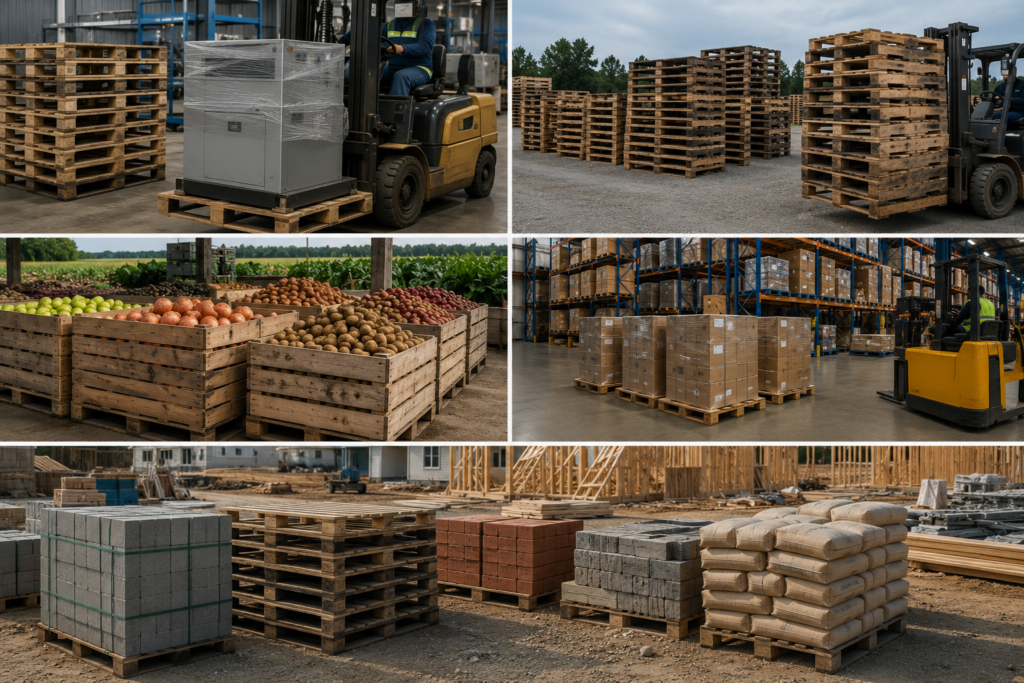
One of the biggest advantages of recycled pallets is their versatility. When properly inspected and matched to the right application, they can support a wide range of industries without sacrificing operational efficiency. The key is understanding how the pallet will be used rather than assuming one solution fits every business.
Manufacturing and Industrial Facilities
Manufacturers often move raw materials, components, and finished products through multiple production stages before shipment. Recycled pallets provide a practical solution for these internal logistics, where durability and consistent handling are often more important than appearance.
For businesses managing high inventory volumes, using refurbished pallets for internal movement can also help reduce operating costs while supporting more sustainable resource use.
Warehousing and Distribution
Warehouses depend on pallets every day for receiving, storing, and dispatching goods. Professionally repaired recycled wooden pallets are commonly used throughout distribution centres because they offer dependable performance for inventory handling, pallet racking, and regional deliveries.
When selecting pallets for warehouse operations, businesses should consider factors such as load weight, storage duration, forklift traffic, and racking compatibility to ensure safe and efficient handling.
Retail and Wholesale Operations
Retail suppliers and wholesalers frequently use recycled pallets for transporting products between warehouses, distribution hubs, and retail locations. Since many shipments remain within Canada, recycled pallets often provide an economical option for businesses looking to manage transportation costs while maintaining reliable product handling.
Agriculture and Food Production
Agricultural businesses regularly move produce, packaged goods, feed, and farming supplies throughout British Columbia. Recycled pallets can be suitable for many domestic agricultural applications, while export shipments may require heat-treated pallets that comply with ISPM 15 regulations.
Understanding the destination of your shipment before selecting a pallet helps avoid unnecessary delays and compliance issues.
Construction and Building Materials
Construction companies often transport heavy materials, tools, and equipment between job sites and storage yards. Recycled pallets are widely used for these applications because they provide a practical combination of strength and cost efficiency, particularly when cosmetic appearance is less important than structural performance.
What to Consider Before Using Recycled Pallets for Shipping
A well-maintained recycled pallet can perform reliably in many shipping and storage applications, but choosing the right pallet requires more than checking its condition. The type of products being transported, handling equipment, storage environment, and shipping destination all influence whether a recycled pallet is the right fit.
Rather than asking whether recycled pallets are “strong enough,” businesses should ask whether the pallet has been selected for the job it needs to perform.
Load Weight and Product Distribution
Every pallet is designed to support a specific load under specific conditions. Heavy machinery, bagged materials, packaged food, or boxed consumer goods all place different demands on a pallet.
Even a professionally repaired pallet may not be suitable if the load exceeds its intended capacity or is unevenly distributed. Matching the pallet to the product helps reduce the risk of damaged goods, unstable loads, and unnecessary pallet failures.
Material Handling Equipment
Forklifts, pallet jacks, conveyors, and warehouse racking systems all interact with pallets differently. Businesses should ensure the pallet design and condition are compatible with the equipment used throughout their operation.
For facilities with automated handling systems or high-volume distribution, greater consistency in pallet dimensions and condition may be necessary to minimise operational interruptions.
Storage Conditions
Where pallets are stored also affects long-term performance. Indoor warehouses generally provide stable conditions, while outdoor storage exposes wood to moisture, temperature changes, and repeated weather cycles.
Proper storage practices help extend the service life of both new and recycled wooden pallets, reducing unnecessary repairs and replacement costs over time.
Domestic vs. International Shipping
For shipments moving within Canada, recycled pallets are often a practical solution for many industries. However, businesses exporting goods internationally should confirm whether heat-treated pallets are required to comply with ISPM 15 regulations.
Planning for export requirements before shipping helps avoid customs delays, rejected shipments, and additional handling costs.
Why Many Businesses Continue to Choose Recycled Wooden Pallets
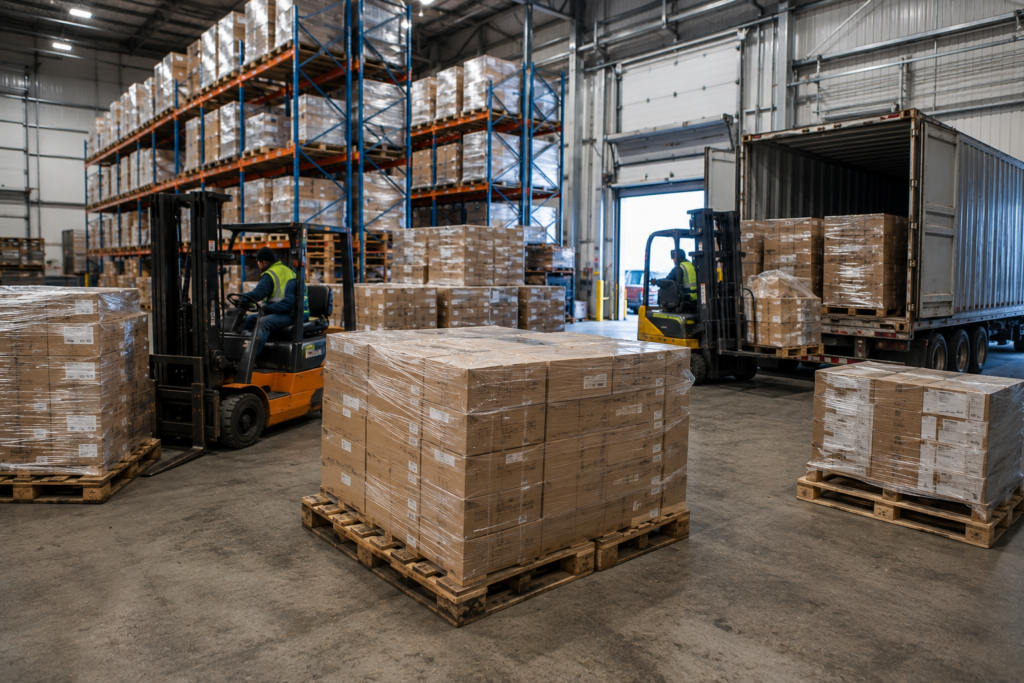
Businesses rarely choose recycled pallets for a single reason. The decision usually comes down to balancing operational requirements, purchasing budgets, and sustainability goals while maintaining reliable day-to-day performance.
When sourced from a reputable pallet supplier, recycled pallets can provide long-term value across a wide range of industries.
Lower Operating Costs
For businesses managing large pallet inventories, purchasing refurbished pallets can help reduce overall pallet expenditure without compromising everyday warehouse operations.
Instead of replacing pallets with new units for every shipment, many companies reserve new pallets for specialised applications while using recycled pallets for routine logistics and internal material handling.
Supporting Sustainable Operations
Extending the service life of existing pallets helps reduce unnecessary timber consumption and keeps usable materials in circulation for longer. This approach supports broader waste reduction initiatives and contributes to a more circular supply chain.
For organisations working towards sustainability objectives, incorporating recycled wooden pallets into daily operations can be one practical step alongside other responsible packaging and logistics practices.
Reliable Availability for Common Applications
Many standard pallet sizes are regularly available through pallet recycling programmes, making recycled pallets a practical choice for businesses that require ongoing inventory for warehouse operations or regional shipping.
Availability can vary depending on market demand and inventory levels, so discussing operational requirements with a supplier helps ensure the right pallet specifications are available when needed.
Practical Performance for Everyday Operations
Professionally refurbished pallets continue to serve manufacturers, distributors, retailers, and logistics companies across British Columbia because they deliver dependable performance for many commercial applications.
The key is selecting pallets based on intended use rather than assuming every recycled pallet performs the same way.
Expert Tip: Cost savings should never be the only reason for choosing recycled pallets. Evaluating pallet condition, repair quality, and suitability for your operation will usually deliver greater long-term value than simply purchasing the lowest-priced option.
Common Buying Mistakes That Can Lead to Poor Pallet Performance
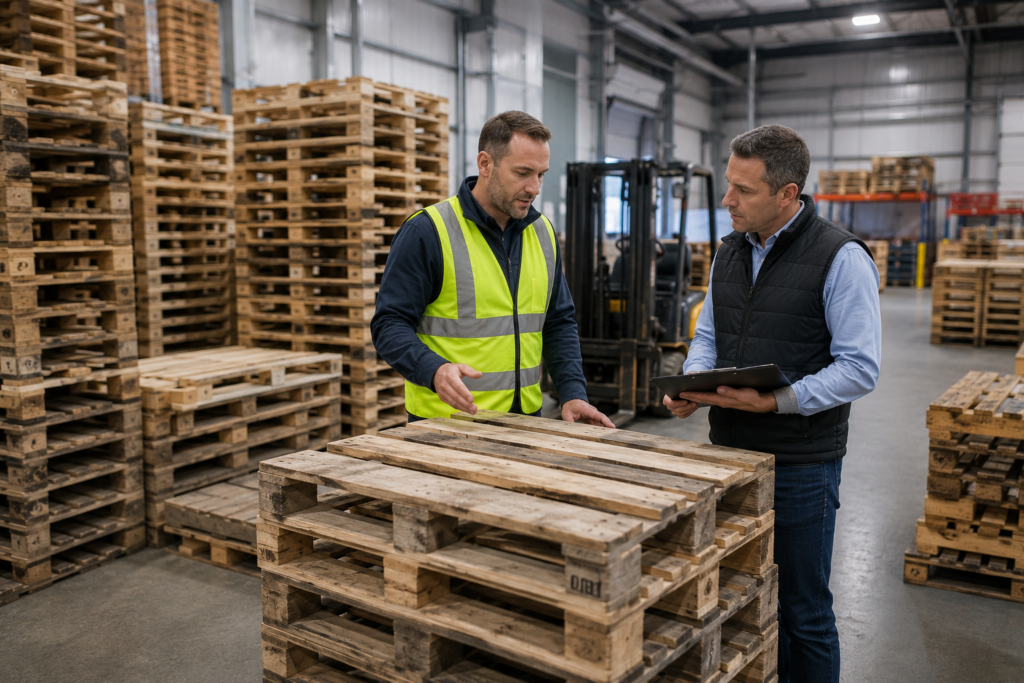
Choosing the right recycled pallets is about more than finding the lowest price. Small purchasing decisions can have a significant impact on warehouse efficiency, product protection, and long-term operating costs.
Understanding these common mistakes helps businesses make more informed purchasing decisions.
Buying Based Only on Price
Lower prices may seem attractive, but pallets that are unsuitable for the intended application often require more frequent replacement or lead to damaged products. Overall value should always take priority over initial purchase cost.
Ignoring Pallet Condition
Appearance alone doesn’t determine pallet quality, but businesses should still ensure pallets have been properly inspected and repaired before they are returned to service.
Choosing the Wrong Pallet Size
Using pallets that don’t match product dimensions, warehouse racking, or transport equipment can create unnecessary handling challenges and reduce load stability during transit.
Overlooking Export Requirements
International shipments may require heat-treated pallets that meet ISPM 15 regulations. Confirming compliance before shipping helps prevent delays and additional costs.
Not Discussing Operational Requirements
Every warehouse operates differently. Sharing information about product weight, storage conditions, shipping destinations, and handling equipment enables suppliers to recommend pallets that better suit the intended application.
Conclusion
Businesses choose recycled pallets for different reasons, but the right decision always comes down to how the pallets will be used rather than simply comparing prices. Factors such as load capacity, handling equipment, storage conditions, and shipping destinations all influence whether recycled pallets are the most practical option for your operation.
When sourced from a trusted supplier and matched to the right application, recycled wooden pallets can deliver dependable performance while extending the life of valuable materials and supporting more efficient warehouse operations. For businesses with specialised product dimensions or unique shipping requirements, it’s equally important to evaluate whether a standard recycled pallet is the right fit or whether another solution would provide better long-term value.
If you’re comparing options for your operation, reviewing available custom pallets, heat-treated pallets, and other pallet services alongside recycled pallets can help you choose a solution that supports both your products and your supply chain with confidence.